Land remediation is a science-driven process that protects the environment and enables the safe reuse of contaminated land. Through precise surveying, controlled waste management and auditable data systems, NUVIA delivers reliable remediation solutions for nuclear and industrial sites.
What Happens Beneath the Surface? Understanding Land Remediation in Action…
Land remediation isn’t just about digging soil — it’s a science-driven process that restores confidence, protects the environment and enables safe reuse of land for future generations.
Here’s how it works:
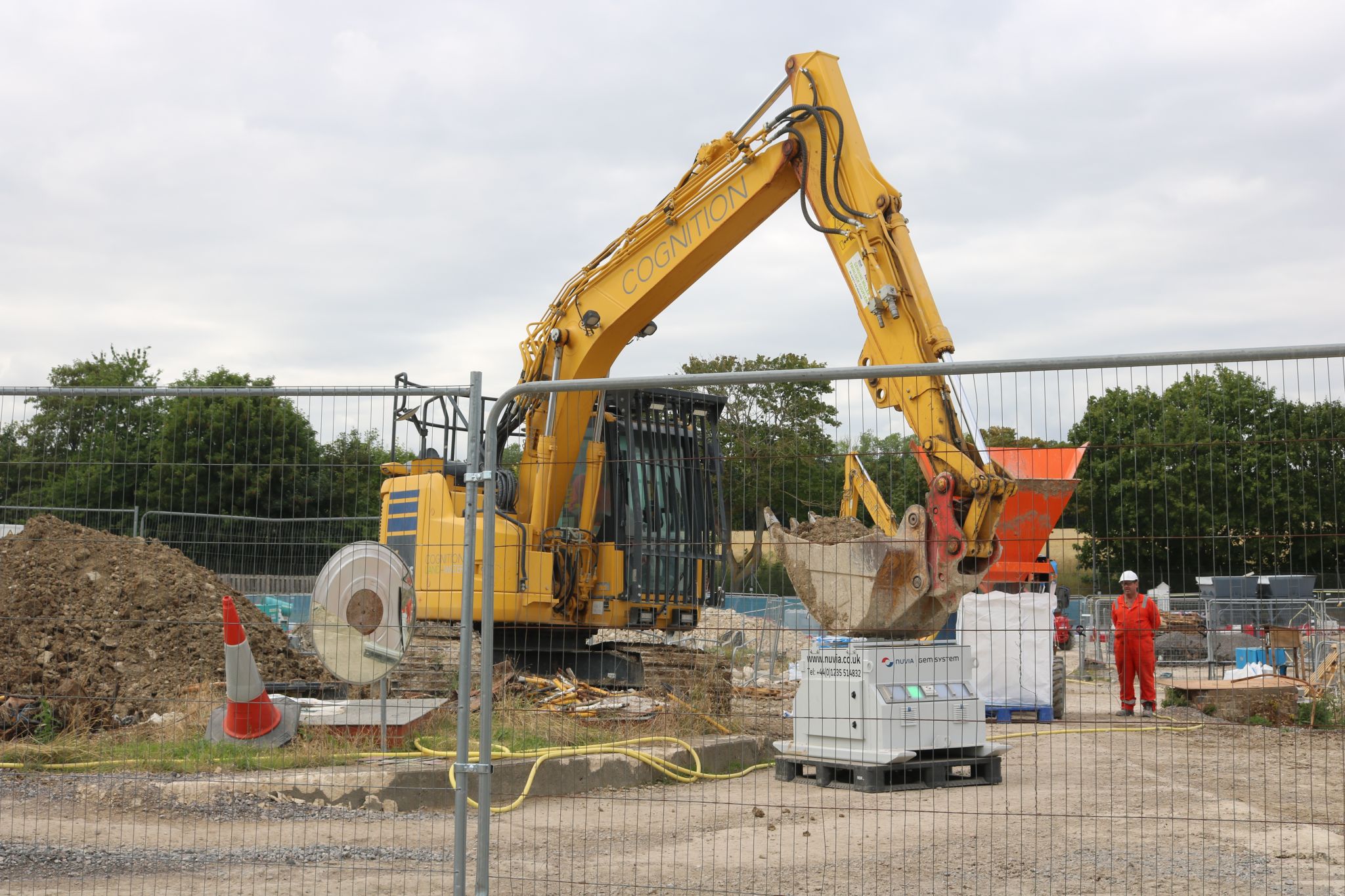
We start with radiological surveying and mapping, scanning land, structures and underground areas using advanced in-situ technologies. This real-time data identifies contamination hotspots and guides excavation with precision.
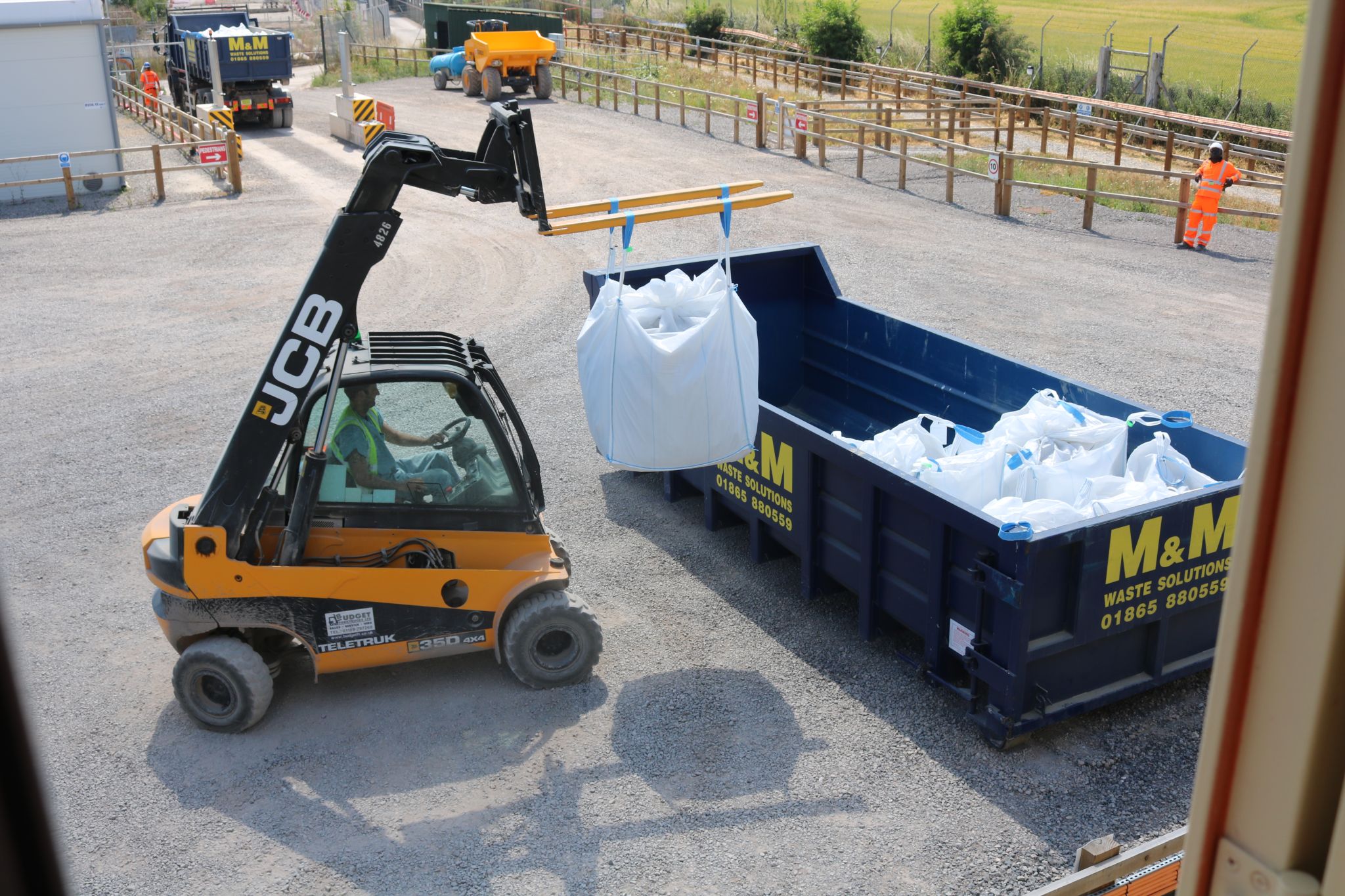
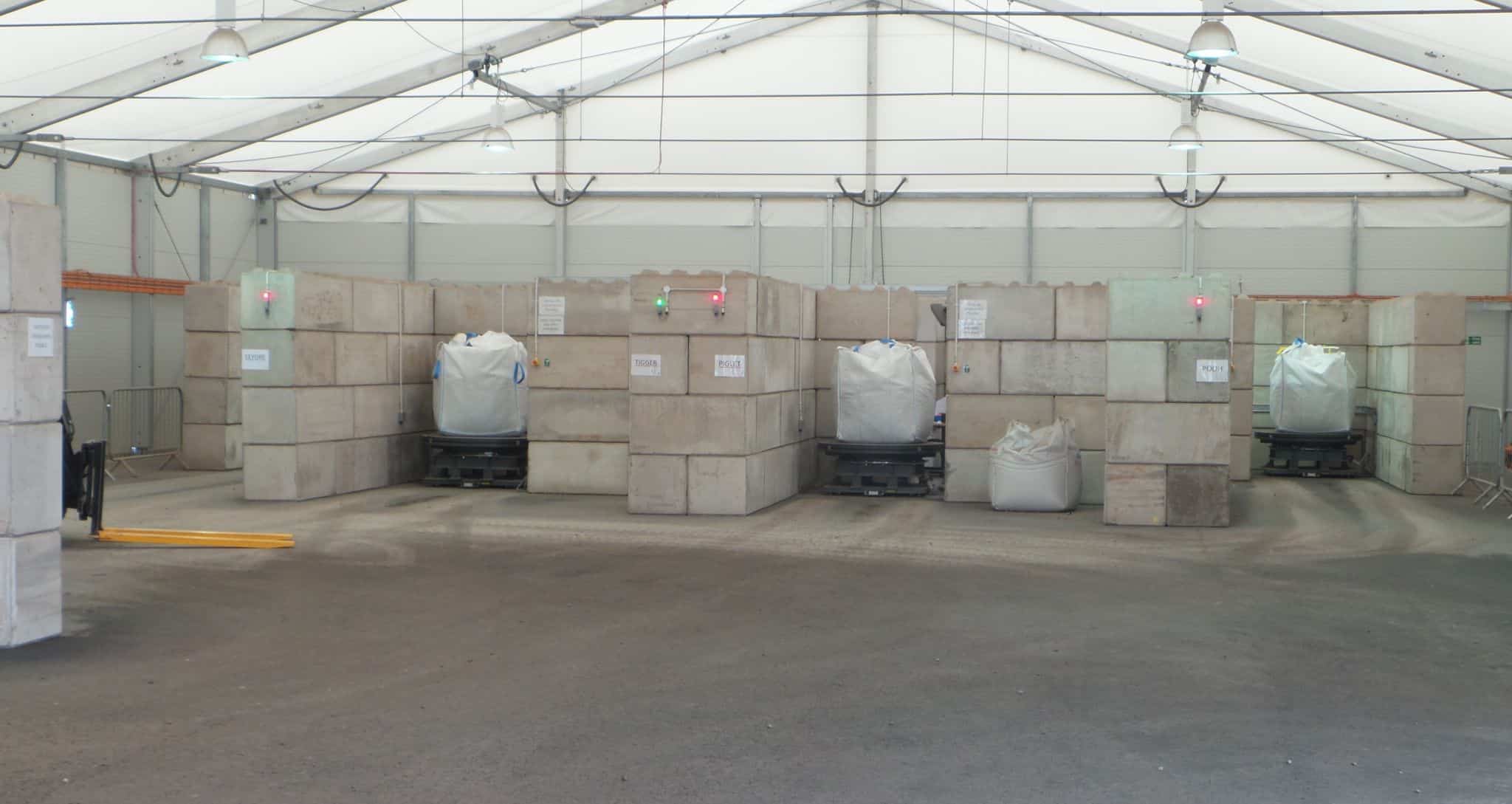
Next comes material classification and segregation. Every excavated batch is analysed and fingerprinted using proprietary systems, ensuring correct waste categorisation and compliance with the waste hierarchy. This step is critical to minimise environmental impact and maximise recycling opportunities.
Behind the scenes, a fully auditable Information Management System (IMS) tracks thousands of waste packages from generation to disposal, reducing errors and supporting regulatory obligations.
What does this look like in practice?
In the Harwell Liquid Effluent Treatment Plant (LETP) project, we worked under Cognition Land and Water for Magnox (now NRS), where we processed 79,453 waste packages, with 30% classified as Very Low Level Waste (VLLW) and 70% out-of-scope materials, of which over 90% were recycled or reused.This is remediation done right — combining precision, innovation and sustainability.
In this process, we use equipment such as the EGS – Auto-controlled volume air sampler and the Rambo 5000 / 1 from NUVIATech Instruments to support accurate and efficient surveying.
At NUVIA, we provide complete Land Remediation & Characterisation services, delivering safe, efficient and auditable solutions for nuclear and industrial sites. Because remediation isn’t just about removal — it’s about transformation.